From Rotary Phones to Agentic AI: Is Your Workforce Ready for Gen Alpha?
New research offers insights into how CHROs can leverage the combined skills of five generations to boost productivity.


New research offers insights into how CHROs can leverage the combined skills of five generations to boost productivity.
In this article we discuss:
When Baby Boomers entered the workforce, a rotary phone sat on their desk and colour television was considered cutting-edge technology. Today, Gen Z join their first jobs having never known a world without smartphones. In just a few years, Alphas will arrive at work – a generation whose baseline technology is agentic AI.
For the first time in history, organisations will soon employ five generations side-by-side – introducing a 60-year span of lived experience in the workplace. For CHROs, the diversity of perspectives, skills and expectations this represents is extraordinary – but so too is the challenge of making it work.
What do people leaders need to understand about the multi-cohort mix – and how should organisations prepare for this unprecedented ‘Five Gen effect’?
Millennials (Gen Y) bridge analogue and digital. Purpose-driven and collaborative, they are also leading workplace AI adoption.
Every generation brings something vital to the workforce:
Without careful management, these different cohorts could result is a clash of generations. But research suggests that, woven well, this mesh of talent can close skills gaps, boost productivity and drive innovation at scale.
The Workday Asia Pacific Multigenerational Workplace Report, based on a survey of more than 3,300 leaders and employees across nine markets, highlights both the promise and the pitfalls of the Five Gen effect. A massive 88% of employees believe each generation has something to teach the others; and 86% agree that intergenerational collaboration is key to success. Yet 55% admit that misunderstandings are common when generations work together.
If long-held assumptions about loyalty, tenure and career progression are no longer valid, HR leaders may need to reconsider their employee value proposition.
The challenge is not just that the generations have different skills, but different perspectives. Research from EY found success looks very different for younger workers, with 51% rating mental and physical health as their top priority, ahead of wealth or occupation. Many also expect to work for multiple organisations over their career, viewing ‘job-hopping’ as a way to build opportunities – not a red flag.
If long-held assumptions about loyalty, tenure and career progression are no longer valid, HR leaders may need to reconsider their employee value proposition. For younger generations, purpose, wellbeing and flexibility will rank equally alongside pay and progression.
The single biggest brake on productivity identified across generations? Not lack of leadership, training or technology – but disengaged employees. Fostering a more engaged Five Gen workforce requires personalised development programs that address each generation’s specific needs and finding ways to spark cross-skilling generational interactions.
Forward-looking organisations are harnessing generational diversity using:
As workforces expand across five generations, CHROs and HR leaders must create workplaces where people of every age can thrive.
To orchestrate five generations of talent, CHROs will need to:
As workforces expand across five generations, CHROs and HR leaders must create workplaces where people of every age can thrive. This is how organisations not only keep pace with the future of work – but actually help to define it.
Download the Workday Asia Pacific Multigenerational Workplace Report to discover the challenges and opportunities that a multigenerational workforce can bring, and explore how leaders can maximise existing talent in their business, to help them thrive.
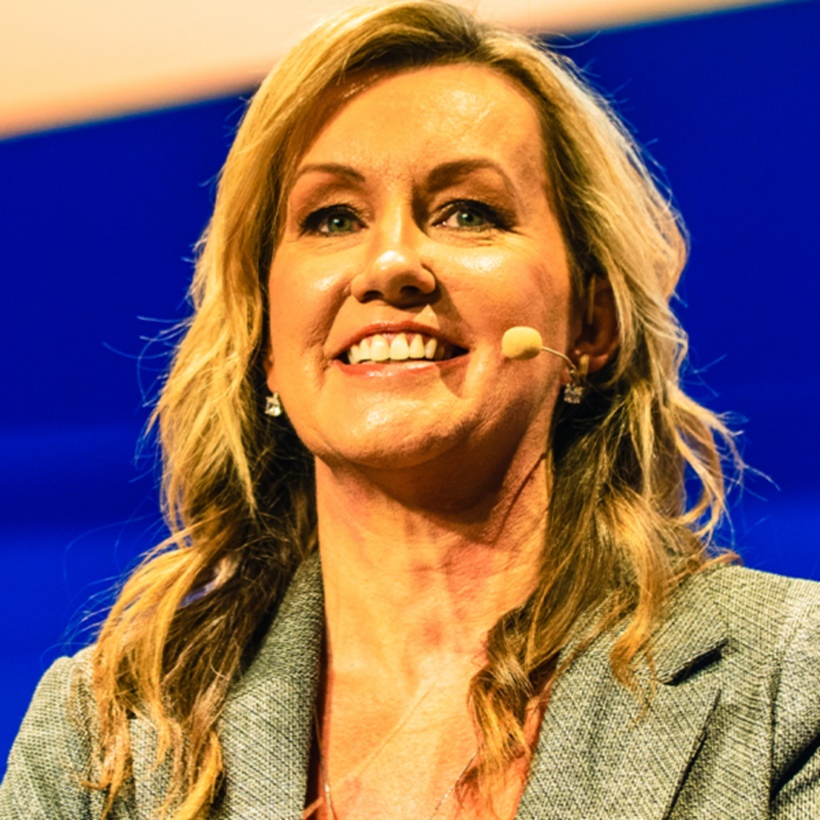
Jenny McKie, Chief People Officer at beloved Australian restaurant chain Hungry Jack's, shares why she's challenging the traditional norms of career progression.
More Reading

Workday is honoured to be recognised as a Leader in the 2026 Gartner® Magic Quadrant™ for Talent Acquisition as it continues to help organisations hire faster, improve candidate experiences, and scale recruiting with AI-powered agents.

As the Federal Government introduces a more integrated tertiary education system, employers have an opportunity to shape a new generation of job-ready graduates.


Yvette McDonald shares the five skills-based hiring strategies she uses to build a sustainable and resilient workforce.