Meet Sana Coach: Less Admin, Better Talent Decisions
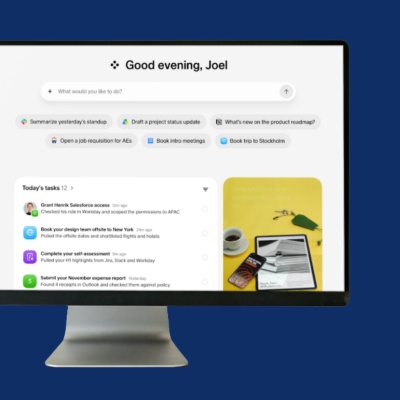
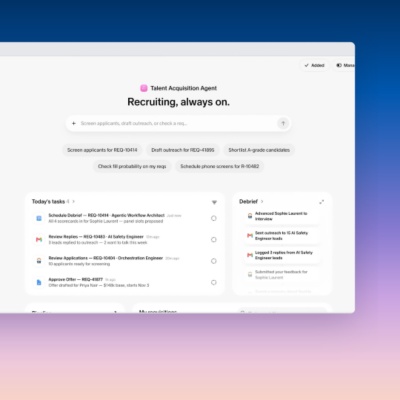
Sana Coach is built to handle a broad range of tasks across roles, sectors, and domains. It enters early access at Rising with capabilities in three critical areas of talent management, helping employees and managers turn talent signals into action:
- Performance Reviews: Sana Coach helps managers and employees prepare for performance moments, drafting, summarizing, and structuring review inputs from goals, check-ins, feedback, and development activity, so conversations start from evidence, not a blank page.
Feedback: It also makes feedback easier to request, synthesize, and act on. The agent gathers input from multiple reviewers, identifies themes, and translates feedback into coaching prompts and development actions.
Talent Sentiment: Connected to Workday Peakon Employee Voice, Sana Coach turns sentiment signals into leadership insight rather than a static survey dashboard, helping organizations move from listening to action while there's still time to intervene.
Together, these capabilities are already reducing administrative burden and improving the quality and speed of everyday talent decisions.
A New Voice-Enabled Experience
The most useful feedback is often the kind given in the moment: right after a strong presentation, a tough client call, or a project that finally shipped. Too often, though, that feedback never gets shared. Opening a form and typing out thoughtful comments feels like one more task, so it gets pushed to later, or never happens at all.
Sana Coach changes that by giving employees and managers the choice of spoken or written feedback. It can turn a quick, stream-of-consciousness commentary into ready-to-share feedback. Rather than simple talk-to-type dictation, Sana Coach offers a true, turn-by-turn conversation, so employees and managers can think out loud, get prompted with a follow-up question, and refine their thinking in dialogue—while Sana Coach captures and structures it into feedback that's ready to share. It's a small change in how people interact with the system, and it makes a big difference in the outcome:
Greater speed and efficiency: Speaking is much faster than typing, so people can capture their thoughts in seconds, wherever they are, instead of saving them for a dedicated sit-down later.
Higher participation: When giving feedback takes less effort, people do it more often and more spontaneously, turning "anytime feedback" from an aspiration into a habit.
Richer, more natural detail: Spoken feedback tends to be more conversational and specific, giving the recipient better context for their development.