Winning the Skills Race: How MSEs Can Compete for Top Talent
Explore how MSEs can compete for top talent with a skills-first strategy that boosts retention, agility, and growth.


Explore how MSEs can compete for top talent with a skills-first strategy that boosts retention, agility, and growth.
In this article we cover:
For medium-sized enterprises (MSEs) across Europe, talent is one of the most valuable—and elusive—resources. Competing against larger companies for skilled workers, offering compelling career paths, and retaining top performers have become high-stakes challenges.
A Eurofound report on Europe’s labour market found that 80% of small- and medium-sized enterprises struggle to recruit and hire talent with the right skills for their roles. Administrative burdens and a lack of strong talent data are ongoing challenges.
The good news? MSEs can turn their size into a strength. By embracing a skills-based strategy and delivering better employee experiences, they can compete effectively for talent—without needing enterprise-sized budgets. Agility, purpose, and personalisation are advantages MSEs can wield to win the talent race.
"By embracing a skills-based strategy and delivering better employee experiences, [MSEs] can compete effectively for talent—without needing enterprise-sized budgets."
Today’s workforce wants more than a payslip. Employees are looking for growth, flexibility, and a sense of purpose. But many MSEs still rely on traditional hiring methods and hierarchical job structures that don’t reflect how people want to work or grow.
This gap creates a competitive disadvantage. MSEs often lose out on top candidates to bigger employers offering more visibility into career development and benefits. And once talent is in the door, lack of flexible work, training opportunities, and support for work-life balance can make retention difficult.
In addition, some MSEs assume they can’t compete with larger firms on pay. While that may be true in some cases, career growth, team culture, and meaningful work are also top priorities for employees—all areas where MSEs can stand out.
In fact, despite their talent challenges, the European Commission reports that MSEs have been driving job creation and outperform larger enterprises in 11 of 14 industrial ecosystems.
It’s time for MSEs to rethink how they view and manage talent. Instead of focusing only on job roles, they need to look at the skills employees bring and how those skills can evolve. Workday research found more than half (55%) have already adopted a skills-based approach to talent management and another 23% will do so in the next twelve months.
By shifting to a skills focus, MSEs can:
Match people to projects and roles more effectively
Support individual career growth
Identify and close skills gaps
Increase agility in responding to workforce needs
This change enables MSEs to move away from generic talent development plans and toward more actionable, skills-informed programmes. Instead of offering one-size-fits-all training, MSEs can identify where skill gaps exist and deliver targeted learning aligned with those needs.
It also opens the door to more agile project staffing. With visibility into employee capabilities, MSEs can match people to short-term initiatives or cross-functional efforts based on their strengths, not just their job title. That boosts engagement and helps employees see how their contributions directly impact business goals.
By creating these tangible links between skills, development, and opportunity, MSEs build trust with their workforce and make better use of the talent they already have.
Adopting a skills-first mindset means a commitment to seeing people through the lens of what they can do and where they can grow. For MSEs, this approach provides a clear path to building internal capabilities and fostering long-term retention. These are practical ways MSEs can improve hiring and retention using a skills-first mindset.
Employees want to see that they have a future with your company. Offering clear career paths, even within a smaller organisation, helps people envision their next step.
MSEs can promote flexible roles, cross-training, and stretch assignments to create learning opportunities. Supporting lateral movement and skills development builds loyalty and helps keep great people engaged.
Big salaries are great, but many employees are just as motivated by how a company supports their well-being. MSEs can offer flexible work arrangements, manageable workloads, and a culture that values time off and balance. When people feel their needs are respected, they are more likely to stay and contribute their highest possible value.
Tracking employees’ skills, training, and interests in one place gives MSEs greater visibility into their internal talent landscape. With a clearer understanding of who can do what and where development is needed, HR and managers can make more informed decisions around hiring, upskilling, and succession planning.
Visibility also supports more agile workforce planning. Instead of relying on assumptions or outdated records, teams can identify internal candidates for key roles or project assignments, reduce duplication of training efforts, and adapt quickly as priorities shift.
Managers have a major impact on whether employees stay or leave. MSEs can equip managers with better visibility into employee strengths and development needs, and encourage regular growth conversations—not just annual reviews.
Managers need accessible, relevant tools and guidance to coach effectively. When they have clarity into employee strengths and access to real-time development insights, they’re more likely to have meaningful growth conversations.
MSEs can’t always match large employers on salary, but they can compete where it counts: by creating more meaningful employee experiences. Top candidates are often drawn to companies where their contributions are visible and where they can grow without being lost in the crowd.
In hiring conversations, MSEs should lead with what makes them different, like direct access to decision-makers, a tight-knit team culture, and the ability to make an immediate impact.
MSEs don’t need to outspend the competition to attract and retain top talent. With a skills-first strategy and a focus on the employee experience, they can build a resilient workforce equipped for the future.
By understanding their people, investing in development, and promoting flexible, purpose-driven cultures, MSEs can:
Attract candidates who want meaningful work
Reduce turnover through clear growth pathways
Build a stronger, more adaptable team
In a competitive talent landscape, MSEs that lead with skills, values, and transparency will stand out. The size of the business isn’t what matters most—it’s the quality of the experience.
For MSEs ready to take bold steps toward smarter hiring and stronger retention, the future is full of opportunity.
Want more insight on the challenges and opportunities facing European MSEs? Download our full infographic here or read the other blogs in our series:
More Reading

Together, we will help organizations build the HR function of the future, not just dream about it.

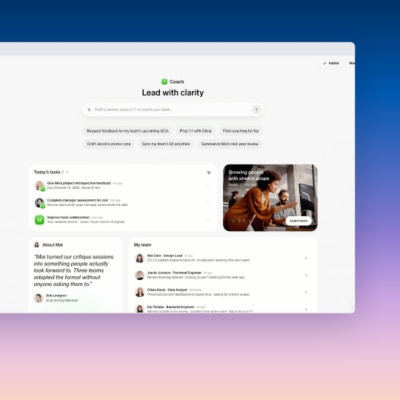
Sana Coach brings performance, feedback, sentiment, and leadership coaching into one connected, conversational experience, moving talent development from episodic HR tasks to always-on guidance. Watch a demo.


Workday Brings Employee Benefits Into The Agentic Era
We're launching Workday Total Benefits, the next step in our vision for AI-powered benefits, where AI agents guide every employee to the right benefit decisions and handle the administrative work behind them.