2026 Federal Forum Highlights: AI and Skills-First Strategies Drive Success

Discover the top takeaways from the fourth annual Workday Federal Forum, including thoughts on artificial intelligence, skills-based hiring, workforce planning, and elevating the employee experience.

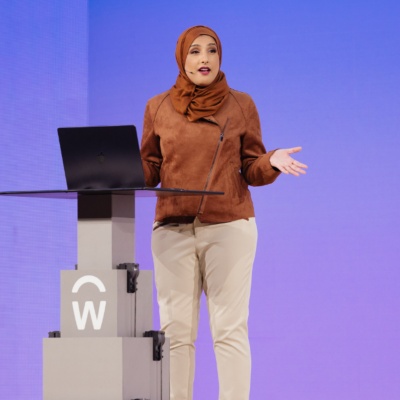
Woman smiling holding laptop

As we navigate 2026, the federal government continues to manage through continuous transformation and disruption. With the rapid evolution of technology, close partnership with industry leaders is essential for agencies to remain adaptable, resilient, and mission ready. Modernization is no longer just about replacing legacy systems and business processes; it’s about reimagining the entire employee experience—from hire to retire—to meet the high expectations of today's workforce and the citizens they serve.

Here are five key takeaways that stood out from the day:

1. Moving Beyond Cautious Experimentation With AI

By thoughtfully deploying AI, agencies are significantly increasing productivity and reducing unnecessary burdens by automating repetitive tasks and analyzing massive datasets to identify trends. And yet, for all of AI’s capability and potential, organizations are still facing challenges with execution and adoption.

By combining Workday’s deterministic certainty with AI’s speed and predictive power, we can securely embed superintelligence directly into business processes.

The probabilistic nature of AI means “almost right” is often wrong for sensitive, consequential work. Agencies need guardrails—trusted processes, permissions, and audit trails—to ensure the security, accuracy, and trust required for mission-critical work. By combining Workday’s deterministic certainty with AI’s speed and predictive power, we can securely embed superintelligence directly into business processes.

One example of this is the AI-driven PAR Agent, planned for 2027 delivery. Designed specifically for federal agencies, the PAR Agent will put automation, checks, and real-time visibility right into the personnel action request process while ensuring human oversight at every critical step. This innovation can cut weeks off processing times and help strengthen mission readiness through seamless human-agent collaboration.

2. The Transition to a Skills-Based Talent Strategy

By focusing on competencies rather than traditional markers like job titles or specific degrees, the government is successfully casting a wider net to attract top talent and elevate high performers.

This approach is particularly impactful for veteran hiring. A skills-based strategy allows agencies to better identify how military experience translates into federal roles, ensuring that the unique skills developed in service are fully leveraged. AI-driven tools, including the military skills mapper in Workday, can accelerate this process, helping recruiters reduce hiring bottlenecks and match candidates to roles based on their actual capabilities.

3. Why Centralized HR Is Key

The growing shift toward a shared services model for HR delivery enables leaders to better plan and manage their human resources, ensuring they have the right people with the right skills to meet both current and future challenges.

Centralizing functions such as benefits, payroll, learning and performance management on a single system allows agencies to:

  • Reduce costs by eliminating duplicative manual processes.

  • Enhance compliance and accuracy through standardized procedures.

  • Perform the dynamic workforce planning that new mandates or missions needs require.

  • Improve data-driven planning with a single system of record that provides actionable analytics for the entire workforce.

4. Transforming HR Technology at Scale

To support a zero-trust architecture, agencies are moving away from fragmented systems in favor of a single data and security model. This unified approach helps ensure that security protocols and "trust by design" principles are embedded natively into the core of HR and AI operations.

To support a zero-trust architecture, agencies are moving away from fragmented systems in favor of a single data and security model.

By connecting enterprise applications to one cohesive security model, agencies can:

  • Mitigate risk through a clear understanding of every AI model used within the system.

  • Standardize governance across the entire hire-to-retire journey, providing unified, future-ready operations.

  • Ensure transparency and data integrity by maintaining a centralized, human-centric system of record.

5. Why Modernization Is Ultimately About People

By modernizing IT and HR systems, agencies can deliver a seamless experience that improves employee satisfaction. From the moment a recruit is hired through their continuous development and eventual retirement, the goal is to restore strategic capacity to HR teams, allowing them to focus on high-value, mission-driven rather than administrative hurdles.

Looking Ahead

Our commitment to the federal mission remains steadfast. By embracing HR transformation and trustworthy AI, the public sector is becoming more efficient and effective. As we move forward, continued partnership between government and innovative technology providers will help ensure the federal workforce is equipped to handle the complexities of 2026 and beyond.

More Reading