Operationalizing Responsible AI: 5 Best Practices
When the original guidance was published, the workplace AI conversation centered on predictive systems that handled single, well-defined tasks like parsing resumes. Thanks to advances in generative and agentic AI, today’s tools can draft communications, schedule interviews, and execute complex, multi-step workflows with limited human intervention. This creates incredible opportunities for efficiency, higher-value human work, and workforce development. But it also introduces new challenges that yesterday's policies weren't built to handle.
The 2.0 framework offers five best practices to help AI developers and deployers address potential risks and ensure technological progress doesn’t outpace safe, accountable governance.
1. Institute AI Governance Practices Across The AI Lifecycle
Responsible AI governance requires organizations to govern, map, measure, and manage risk across the entire system lifecycle, in line with the NIST AI RMF. Organizations need to build governance structures that assess predictive, generative, and agentic capabilities individually, and the risks that may emerge when they come together. They also must consider how people will use those technologies in the real world.
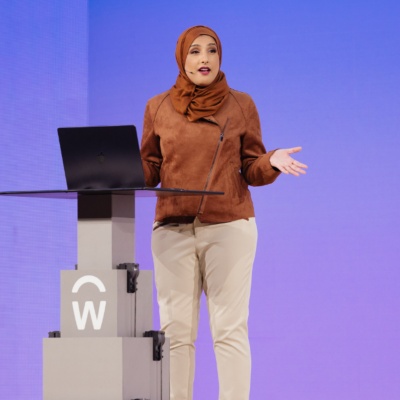
At Workday, this holistic approach helps us evaluate AI capabilities as they evolve from predictive recommendations to generative insights and agentic actions. Our Chief Responsible AI Officer Kelly Trindel calls our approach “sociotechnical.”
“This means we look at the full picture: not just the tech under the hood, but how real people use it in real workplaces,” Trindel said.